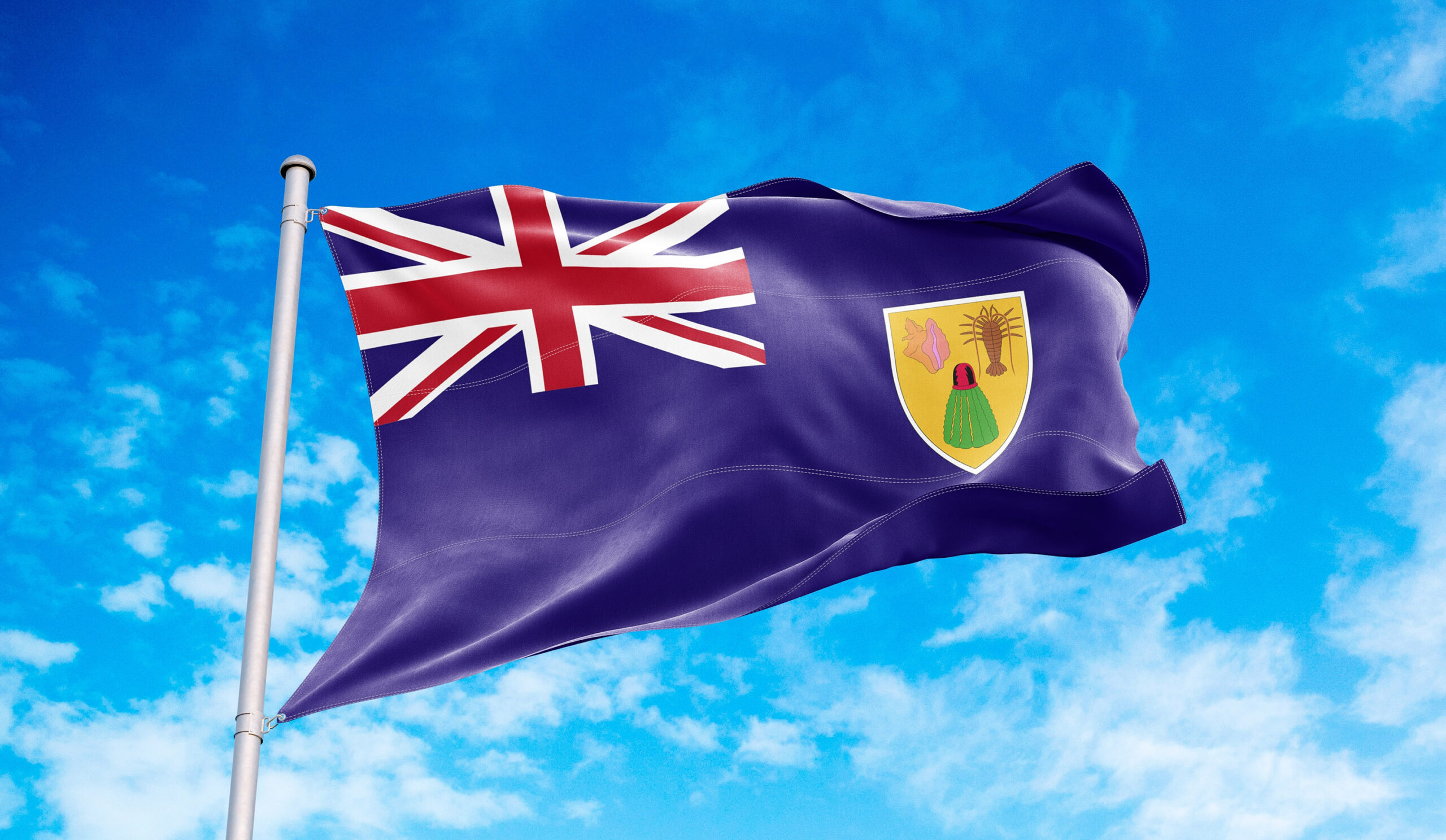
Why Turks & Caicos Has No Income Tax
For buyers considering luxury real estate in the Caribbean, Turks and Caicos offers a compelling combination: an extraordinary place to own a home and one of the region’s most attractive tax environments.
Turks and Caicos does not impose personal income tax, capital gains tax or annual property tax. For international buyers, that can significantly change the long-term economics of owning real estate compared with many North American markets.
Foreign buyers can own property directly, transactions are conducted in U.S. dollars, and Providenciales has become one of the Caribbean’s most established luxury residential destinations. According to Invest Turks and Caicos, there are no restrictions on foreign property ownership in the islands.
For buyers considering a home in the islands, understanding these advantages is an important place to start.
A Tax Structure Designed Differently
Unlike jurisdictions that rely heavily on taxes on personal income and property ownership, Turks and Caicos generates government revenue primarily through duties, fees and other indirect taxes.
Individuals are not subject to personal income tax, and there is no annual property tax simply for owning a home.
For someone planning to own a luxury residence for 10, 15 or 20 years, that difference can be significant. A multimillion-dollar home in many North American markets generates a substantial property-tax bill every year. In Turks and Caicos, there is no equivalent recurring annual property tax.
No Capital Gains Tax on Real Estate
Turks and Caicos also does not impose capital gains tax on the appreciation of real estate. Invest Turks and Caicos specifically identifies the absence of both ongoing annual property taxes and capital gains taxes on property appreciation as advantages for real estate buyers.
If a residence increases substantially in value during ownership, TCI does not levy a local capital gains tax on that gain when the property is sold.
That can make Turks and Caicos particularly attractive to buyers who view a Caribbean residence as both a lifestyle purchase and a long-term asset.
International buyers should always consult their own tax advisors because their country of citizenship or tax residence may impose separate tax or reporting requirements.
What Is Stamp Duty in Turks and Caicos?
As in the Cayman Islands, the principal government tax associated with purchasing real estate in the Turks & Caicos is stamp duty, a one-time transfer tax generally paid by the purchaser when ownership changes.
According to the Turks and Caicos Islands Government, current stamp-duty rates on its main island of Providenciales are based on property value upon transfer:
- $25,000–$250,000: 6.5%
- $250,001–$500,000: 8%
- More than $500,000: 10%
This structure explains why most new homes in Turks & Caicos – like the Summit Villas at Blue Mountain – are purchased before construction which reduces the applicable stamp duty by roughly 90%.
Once stamp duty is paid, there is no recurring annual property tax simply for continuing to own the residence.
How Does Turks & Caicos Compare With Other Caribbean Destinations?
The Bahamas and Cayman Islands also offer favorable tax environments, but there are meaningful differences for property owners.
The Bahamas also does not impose personal income tax, but it does impose annual real property tax under applicable circumstances.
The Cayman Islands has no personal income or annual property tax, although its real estate transactions are also subject to stamp duty.
Turks and Caicos combines no personal income tax, no capital gains tax and no annual property tax with direct foreign ownership and a U.S.-dollar economy.
For international buyers comparing Caribbean destinations, those characteristics make Turks and Caicos worthy of serious consideration as both a place to live and a place to own a significant real estate asset.
How and When You Buy Your Home Matters
The advantages of the destination are only part of the decision. How you buy your home matters too.
Latitude 22 offers a different approach to luxury new construction in Providenciales.
Rather than asking buyers to assume the uncertainty of a traditional custom build, Latitude 22 begins with a proven architectural vision and manages the construction process through approximately 90% completion.
For applicable residences, Latitude 22 can wait for the buyer at this stage, allowing the purchase to occur before the final Certificate of Occupancy while providing the buyer an opportunity to participate in the final personalization of the residence.
An Occupancy Certificate is still required before the home can be occupied. The Turks and Caicos Islands Government confirms that a valid Occupancy Certificate is mandatory before any building may legally be occupied.
The difference is that a buyer can acquire a substantially completed residence with far greater visibility into the home they are purchasing.
Learn more about the Latitude 22 Philosophy.
Explore available residences at The Summit by Latitude 2
Why Buy Real Estate in Turks and Caicos?
The absence of income, capital gains and annual property taxes is an important reason international buyers consider Turks and Caicos—but taxation alone doesn’t make a destination worth owning.
Providenciales combines extraordinary beaches and water, an established luxury market, direct international air access, U.S.-dollar transactions and the ability for international buyers to own property.
For buyers who have already decided they want to own in the Caribbean, the questions become more specific:
Why Turks and Caicos—and what should I buy once I’m there?
Latitude 22 was created to provide an answer.
With architect-designed residences, exceptional homesites, uncompromising construction standards and a highly personalized approach to ownership, Latitude 22 offers a different way to make Turks and Caicos home.
Frequently Asked Questions
Does Turks and Caicos charge income tax on residents?
No. Turks and Caicos does not impose personal income tax on residents. The islands also do not impose capital gains tax or annual property tax. International residents should consult their own tax advisor regarding obligations that may apply in their country of citizenship or tax residence.
Are there capital gains taxes on property sales in TCI?
No. Turks and Caicos does not impose local capital gains tax on profits from the sale of real estate. This can be particularly attractive to long-term property owners because appreciation is not subject to TCI capital gains tax when the property is sold. An owner’s home country may impose separate tax or reporting requirements.
What is stamp duty on real estate purchases in Turks and Caicos?
Stamp duty is a one-time government transfer tax generally paid by the purchaser when real estate changes ownership. On Providenciales, current rates are 6.5% for properties valued from $25,000 to $250,000, 8% from $250,001 to $500,000 and 10% above $500,000. Unlike property tax, stamp duty is associated with the transfer rather than charged annually.
How does TCI's tax structure compare to the Bahamas and Cayman Islands?
Turks and Caicos, the Bahamas and Cayman Islands all offer favorable tax environments, but there are differences for property owners. Turks and Caicos has no personal income tax, capital gains tax or annual property tax. The Bahamas levies real property taxes in certain circumstances, while Cayman has no annual property tax but imposes stamp duty on real estate transfers.